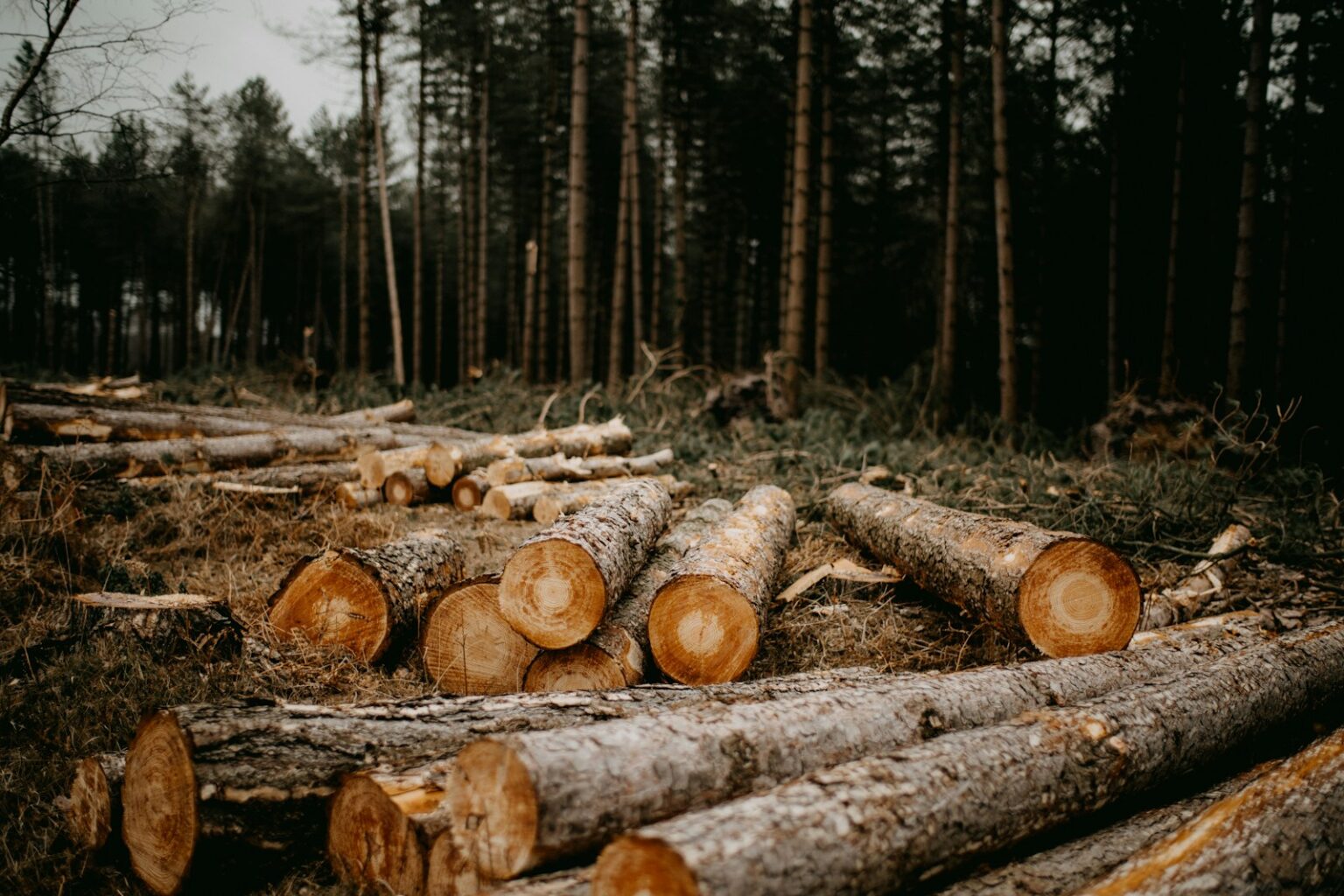
When it comes to prefabricated wooden buildings — from garden offices and summer houses to garages and log cabins — the choice of timber species fundamentally determines the quality, durability, and performance of the finished structure. Among the options available to European manufacturers, one species consistently stands above the rest: Nordic spruce (Picea abies), specifically slow-grown timber sourced from Scandinavian and Finnish forests.
In this article, we explain the science behind Nordic spruce’s superior properties, how it compares to alternative species, why certification matters, and what dealers and specifiers should look for when evaluating timber quality.
What Makes Nordic Spruce Different?
Not all spruce is created equal. The same species grown in different climates produces timber with significantly different properties. Nordic spruce — grown in the boreal forests of Finland, Sweden, and the Baltic region — benefits from a unique combination of environmental factors.
Slow Growth Equals Superior Density
In the cold Nordic climate, spruce trees grow slowly. Short growing seasons and long winters mean the tree adds less wood per year, but that wood is denser and more uniform. The result:
- Tight growth rings: More rings per centimetre means higher wood density and greater structural strength
- Uniform grain: Consistent growth patterns reduce internal stresses, making the timber less prone to warping, twisting, or splitting
- Fine texture: A smoother, more attractive surface that finishes well with stains and preservatives
Compare this to fast-grown spruce from warmer climates, where wider growth rings produce lighter, softer timber that is more prone to movement and less structurally reliable. For prefabricated buildings where every wall plank must interlock precisely, this difference in density and stability is critical.
Natural Durability and Workability
Nordic spruce offers an excellent balance of properties for construction:
- Strength-to-weight ratio: Strong enough for structural use while remaining light enough for efficient flat-pack shipping and on-site assembly
- Dimensional stability: Once kiln-dried to the correct moisture content (typically 16–18%), Nordic spruce holds its shape well and resists seasonal movement
- Machinability: Clean, consistent grain allows CNC machinery to produce precise tongue-and-groove profiles, ensuring tight, gap-free joints in the finished building
- Resin content: Natural resin provides a degree of moisture resistance, though external treatment is still recommended for long-term protection
Nordic Spruce vs Other Timber Species
Dealers and buyers sometimes ask why we don’t use pine, larch, or other species. Here’s how Nordic spruce compares:
| Property | Nordic Spruce | Scots Pine | Siberian Larch | Western Red Cedar |
|---|---|---|---|---|
| Density | Medium (400–470 kg/m³) | Medium (500–520 kg/m³) | High (550–680 kg/m³) | Low (330–380 kg/m³) |
| Dimensional stability | Excellent | Good | Good | Excellent |
| Resin/knots | Moderate, small tight knots | Higher resin, larger knots | Low resin, tight grain | Very low |
| CNC machinability | Excellent | Good | Moderate (harder) | Good |
| Cost | Competitive | Similar | Significantly higher | Premium |
| Sustainability/sourcing | FSC/PEFC certified, abundant | FSC/PEFC available | Supply chain concerns | Limited European supply |
Nordic spruce hits the optimal balance: it’s dense enough for structural integrity, stable enough for precision-cut prefabrication, workable enough for efficient CNC processing, and competitively priced for commercial production. While larch and cedar have their merits, they come at a premium that doesn’t translate to proportionally better performance in prefabricated buildings.
Certification: FSC, PEFC, and Why It Matters
Responsible sourcing isn’t just an ethical consideration — it’s increasingly a legal and commercial requirement. European markets are demanding certified timber, and regulations like the EU Deforestation Regulation (EUDR) are making traceability mandatory.
FSC (Forest Stewardship Council)
FSC certification guarantees that timber comes from responsibly managed forests where harvesting is balanced with regeneration, biodiversity is protected, and local communities’ rights are respected. FSC Chain of Custody certification traces the timber from forest to finished product.
PEFC (Programme for the Endorsement of Forest Certification)
PEFC is the world’s largest forest certification system, particularly strong in Nordic countries. It verifies sustainable forest management practices through independent auditing.
EUDR Compliance
The EU Deforestation Regulation requires companies to demonstrate that timber products placed on the EU market are deforestation-free and legally harvested. This means:
- Geo-location data: Traceability to the specific forest plot where timber was harvested
- Due diligence: Verified supply chain documentation from forest to factory
- Risk assessment: Confirmed low-risk sourcing from countries with strong forestry governance
Finland — where Dadsons sources the majority of its raw timber — is classified as a low-risk country under the EUDR, with some of the world’s most rigorous forest management regulations and near-universal certification coverage.
From Forest to Building: The Production Process
Understanding how Nordic spruce goes from a standing tree to a precision-engineered building component helps explain why material quality matters at every stage:
- Harvesting: Mature spruce trees are selectively harvested from certified Finnish forests according to sustainable management plans
- Sawmilling: Logs are sawn to dimension at Finnish mills using modern, optimised cutting patterns that maximise yield and minimise waste
- Kiln drying: Sawn timber is dried in computer-controlled kilns to 16–18% moisture content, ensuring dimensional stability and preventing warping after assembly
- Grading: Each board is visually and mechanically graded for structural quality, surface defects, and dimensional accuracy
- CNC machining: At our production facility, graded timber is precision-machined into wall planks, roof boards, floor joists, and structural components. CNC technology ensures tolerances within fractions of a millimetre.
- Quality control: Finished components are checked against specifications before being flat-packed with all necessary hardware and documentation
The entire process — from forest to finished kit — is designed to preserve the natural qualities of slow-grown Nordic spruce while adding the engineering precision that makes modern prefabricated buildings fast to assemble and built to last.
What This Means for Dealers and Buyers
When you source wooden buildings made from certified Nordic spruce, you gain tangible commercial advantages:
- Quality assurance: Dense, stable timber means fewer callbacks for warping, gaps, or structural issues after installation
- Regulatory compliance: FSC/PEFC certification and EUDR-ready documentation simplify your own compliance obligations
- Marketing advantage: “FSC-certified Nordic spruce” is a compelling selling point that resonates with environmentally conscious buyers
- Consistent supply: Finnish forests are managed sustainably with long-term yield planning, ensuring reliable raw material availability
- End-customer satisfaction: Buildings made from quality timber look better, perform better, and last longer — reducing warranty claims and building your reputation
Dadsons: Quality Timber, Transparent Sourcing
At Dadsons, Nordic spruce isn’t just our material of choice — it’s the foundation of every product we manufacture. We source exclusively from FSC and PEFC-certified Finnish forests, and we maintain full traceability from forest plot to finished building kit.
Our commitment to material quality is backed by:
- CNC-precision manufacturing at our facility in Latvia
- Kiln-dried timber at controlled moisture content
- Full EUDR-compliant supply chain documentation
- CE marking where applicable
- Over 25 years of experience working with Nordic timber
Learn More
Want to understand more about our materials, certifications, or production process? Get in touch with our team — we’re happy to share detailed specifications, certification documents, and material samples. For dealers, we provide full technical documentation to support your own sales and marketing efforts.