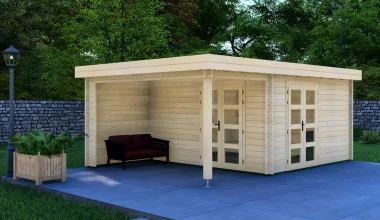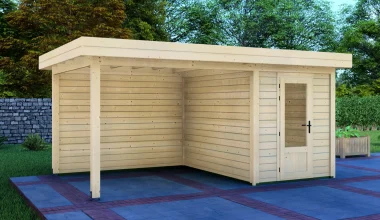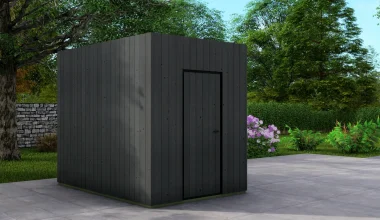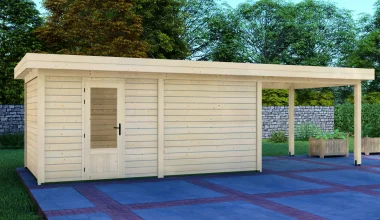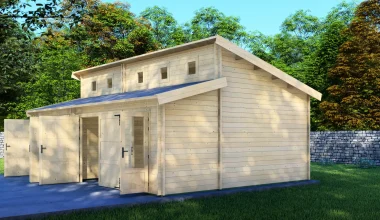
A well-built wooden garden building — whether it’s a summer house, log cabin, garage, or garden office — can last 20 years or more with proper care. The key word is “proper.” Without regular maintenance, even the highest quality Nordic spruce will eventually suffer from UV damage, moisture penetration, and the natural effects of weather exposure.
This guide covers everything you need to know about maintaining and protecting a wooden garden building, from the critical first treatment after assembly through to ongoing annual care. Whether you’re a dealer providing after-sale guidance to customers or a building owner looking after your investment, these practical steps will keep your timber structure in excellent condition for decades.
Why Maintenance Matters
Wood is a natural material, and that’s part of its appeal. But natural materials interact with their environment. Understanding the four main threats to untreated timber helps explain why maintenance is so important:
UV Radiation
Sunlight breaks down lignin — the natural compound that gives wood its structure and colour. Prolonged UV exposure causes timber to turn grey, lose its natural tone, and become rough to the touch. This is purely cosmetic initially, but over time it compromises the surface layer’s ability to repel moisture.
Moisture
Water is wood’s primary enemy. When timber absorbs moisture, it swells. When it dries, it contracts. This repeated cycle of swelling and shrinking causes cracks, warping, and joint gaps — which in turn allow more moisture in. Left unchecked, sustained moisture leads to rot.
Fungal Decay
Fungi thrive in damp, untreated wood. Blue stain fungus causes discolouration, while wood-rotting fungi break down the timber’s structural fibres. Fungal damage is progressive — the earlier you catch it, the easier it is to treat.
Insect Damage
Wood-boring insects (primarily woodworm in European climates) lay eggs in untreated timber. The larvae feed on the wood, creating tunnels that weaken the structure over time. Properly treated timber is far less susceptible to insect attack.
The good news: all four of these threats are effectively managed through regular treatment and basic maintenance.
Initial Treatment After Assembly
The most important maintenance step happens right at the beginning. Newly assembled wooden buildings must be treated with a quality wood preservative or stain as soon as possible after construction.
When to Treat
- Ideally within 2–4 weeks of assembly, once the timber has acclimatised to its environment
- Choose a dry period with no rain forecast for at least 24–48 hours after application
- Temperature: Apply when ambient temperature is above 10°C for optimal absorption and drying
- Avoid direct sunlight during application — early morning or overcast days are ideal
What to Use
There are two main categories of wood treatment:
Oil-Based Stains and Preservatives
- Penetrate deeply into the timber grain
- Excellent moisture repellency
- Rich, natural finish that enhances wood grain
- Longer drying time (24–48 hours between coats)
- Typically last 3–5 years before re-application is needed
Water-Based Stains and Preservatives
- Faster drying time (4–6 hours between coats)
- Lower VOC content — more environmentally friendly
- Easier to clean up (soap and water)
- Good colour retention
- Typically need re-application every 2–3 years
Recommendation: For most wooden garden buildings, a high-quality oil-based exterior wood stain with UV protection and fungicide provides the best long-term protection. Apply two coats to all exterior surfaces, paying particular attention to end-grain areas (cut ends of planks), joints, and the lower sections of walls where moisture exposure is highest.
Annual Maintenance Checklist
Once your building is treated, an annual inspection and light maintenance routine will keep it in top condition. The best time for this is early spring, before the main outdoor season begins.
Exterior Inspection
- Walk around the building and check all wall surfaces for signs of peeling, flaking, or bare timber
- Inspect joints and corners for gaps that may have opened up due to seasonal timber movement
- Check the lower wall planks — these are most exposed to splash-back from rain and ground moisture
- Examine windows and doors for smooth operation. Sticking or binding suggests timber swelling
- Look for signs of fungal growth (dark spots, green/black patches) or insect activity (small round holes)
Roof Inspection
- Check roofing felt for tears, lifting edges, or areas where water might pool
- Clear debris — remove leaves, moss, and accumulated dirt from the roof surface and gutters
- Inspect flashings and seals where the roof meets the walls
- Check for sagging — any visible dip in the roofline could indicate a structural issue
Drainage and Surroundings
- Ensure ground drainage directs water away from the building, not towards it
- Maintain clearance between vegetation and the building walls — at least 30cm to allow airflow
- Check the base — ensure the building is still level and the foundation is stable
Cleaning
- Wash exterior walls with a soft brush and mild soapy water to remove dirt, pollen, and bird droppings
- Do not use a pressure washer on timber walls — the high pressure can damage the wood surface and force water into joints
- Clean windows inside and out
- Sweep the interior and check for any signs of damp or water ingress
Common Problems and How to Fix Them
Sticking Doors or Windows
Timber naturally expands in humid conditions and contracts in dry weather. If doors or windows become difficult to open:
- Wait for dry weather — the timber may contract back to size naturally
- If persistent, sand or plane the sticking edge lightly and re-seal the exposed timber
- Check that the building is level — foundation settlement can cause frames to shift
Small Cracks (Checking)
Fine surface cracks along the grain are normal in solid timber and don’t affect structural integrity. They occur as the wood adjusts to its environment:
- Fill larger cracks with a flexible exterior wood filler
- Apply wood stain over the filled area to seal and protect
- Monitor annually — most checks stabilise within the first 1–2 years
Discolouration or Greying
If areas of the building are turning grey, the UV protection has worn through:
- Lightly sand the affected area to remove the grey layer
- Apply a fresh coat of wood stain with UV protection
- Consider whether the affected side gets more sun exposure and may need more frequent re-treatment
Green Algae or Mould
Green or black patches on north-facing walls or shaded areas indicate algae or mould growth:
- Clean with a dedicated wood cleaner or a dilute solution of oxygen bleach
- Allow to dry fully, then apply a wood preservative with fungicide
- Improve airflow around the affected area by trimming back vegetation
When to Re-Treat Your Building
The frequency of re-treatment depends on the product used, the climate, and the building’s exposure. General guidelines:
| Treatment Type | Typical Lifespan | Signs It Needs Renewal |
|---|---|---|
| Oil-based stain | 3–5 years | Water no longer beads on the surface; colour fading; dry, dusty appearance |
| Water-based stain | 2–3 years | Peeling or flaking; patchy colour; visible bare timber |
| Clear preservative | 1–2 years | Greying; timber feels rough; water absorbs rather than beading |
Simple test: Sprinkle water on the wall surface. If it beads up and rolls off, the treatment is still effective. If it soaks in and darkens the timber, it’s time to re-treat.
How Quality Timber Reduces Maintenance
Not all timber requires the same level of maintenance. The species, growth rate, and initial processing all affect how well the wood performs over time:
- Slow-grown Nordic spruce has tighter growth rings and higher density than fast-grown alternatives, meaning it absorbs less moisture and resists deformation better
- Kiln-dried timber (16–18% moisture content) has been dimensionally stabilised before machining, so it experiences less shrinkage and movement after installation
- Precision-milled tongue-and-groove profiles create tight interlocking joints that minimise water penetration between planks
- Quality grading ensures the timber is free from defects (large knots, resin pockets, bark inclusions) that can become maintenance issues later
Starting with quality timber doesn’t eliminate the need for maintenance, but it does reduce the frequency and severity of issues you’ll encounter over the building’s lifetime.
Maintenance Tips for Dealers
If you sell wooden garden buildings, providing clear maintenance guidance to your customers is one of the most effective things you can do to ensure long-term satisfaction and reduce warranty callbacks:
- Include a maintenance guide with every building sold — either printed or as a downloadable PDF
- Recommend specific treatment products that work well with the timber species you sell
- Set expectations at point of sale: Make clear that wooden buildings require regular treatment, and explain the consequences of neglect
- Offer maintenance kits as an upsell — stain, brushes, and filler bundled together
- Follow up after 12 months with a maintenance reminder — this builds customer loyalty and opens opportunities for repeat business
Need Technical Support?
At Dadsons, we provide our dealer partners with comprehensive technical documentation including maintenance guides, treatment recommendations, and troubleshooting support. Our buildings are manufactured from kiln-dried, FSC-certified Nordic spruce — engineered for durability from the start.
Contact our team for maintenance documentation, technical advice, or to discuss how we can support your after-sales service.